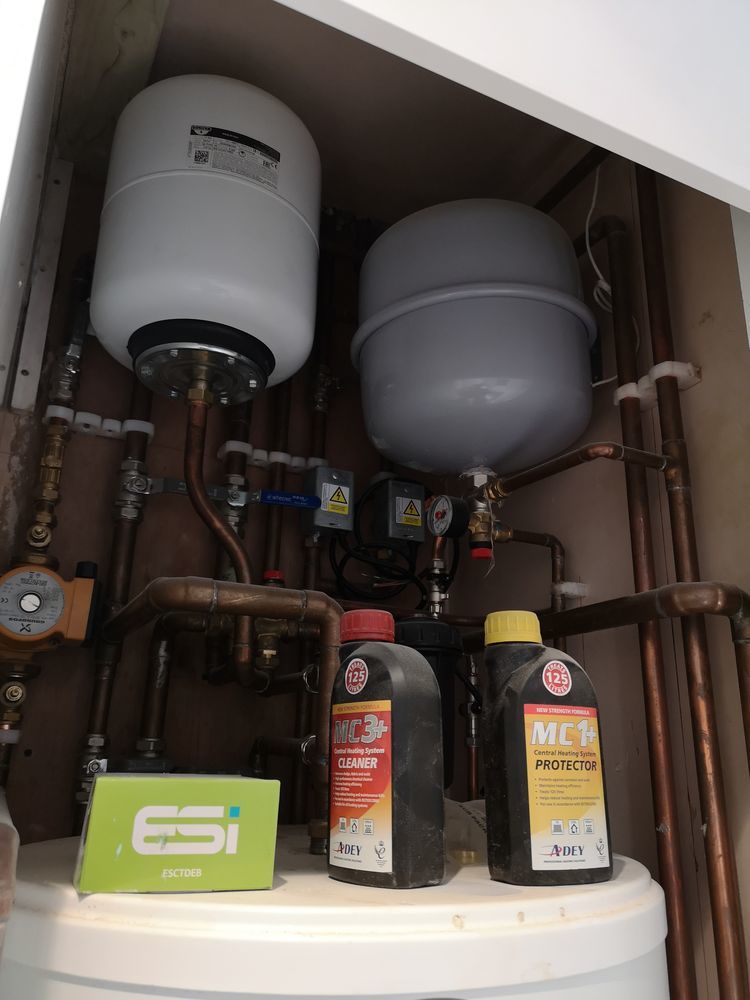
The answer most heating engineers give is simple: once a year. But most homeowners are not entirely sure what that actually means in practice — what happens during a service, why skipping it causes problems, or when in the year to book it.
This guide answers those questions directly. By the end, you should know exactly what an annual boiler service involves, what it costs, and what happens when it gets put off.
The Short Answer: Once a Year
Annual Servicing Is the Industry Standard
Every major boiler manufacturer — Worcester Bosch, Vaillant, Ideal, Baxi — requires annual servicing to keep the warranty valid. Beyond the warranty, it is also the most effective way to prevent unexpected breakdowns and keep your boiler running at full efficiency.
The one-year interval is not arbitrary. A gas boiler burns fuel, handles pressurised water, and operates in a sealed system. Components wear, seals degrade, and debris accumulates at a rate that makes annual inspection the right balance between cost and risk.
Some newer boilers with advanced diagnostics can flag internal issues automatically. But even those still require a Gas Safe engineer to inspect, clean, and sign off the service record every 12 months. The technology assists — it does not replace the visit.
When Is the Best Time to Book?
Late summer — August or September — is consistently the best time to get a boiler service done. Here is why:
- Before the heating season: You find out the boiler is in good shape before you actually need it every day
- Easier to book: Engineers are less busy in summer than in winter, so you get quicker appointments and often better availability
- Problems fixed before winter: If the service reveals a developing fault, you can arrange the repair before temperatures drop
- Avoids emergency call-out rates: A boiler that breaks down in December is both expensive and miserable — an August service prevents most of those situations
If you missed the summer window, do not put it off until next year. A service in October, November, or even January is far better than skipping it entirely.
What Happens During a Boiler Service?
A standard annual boiler service is not just a quick visual check. A Gas Safe engineer will work through a structured sequence of inspections, tests, and cleaning. Here is what that typically covers:
Step 01
Visual Inspection
The engineer checks the boiler casing, flue terminal, pipework, and surrounding area for signs of damage, corrosion, or improper installation. They also check that the boiler is correctly installed and ventilated.
Step 02
Combustion Analysis
A flue gas analyser is connected to measure the ratio of air to gas during combustion. This tells the engineer whether the boiler is burning efficiently and whether it is producing dangerous levels of carbon monoxide. This single test catches more problems than any other part of the service.
Step 03
Internal Component Check
The boiler casing is removed and the engineer inspects the heat exchanger, burner, ignition leads, electrodes, and seals. They look for signs of wear, corrosion, cracking, or deterioration. Worn seals are replaced. Debris is removed from the burner and heat exchanger.
Step 04
Pressure and Controls Check
System pressure is checked and topped up if low. The expansion vessel is tested. Safety valves and thermostats are verified to be operating within the correct parameters. The engineer confirms the programmer and controls are working correctly.
Step 05
Flue Test
The flue is checked to confirm combustion gases are being safely expelled from the property. A blocked, damaged, or incorrectly terminated flue is one of the primary causes of carbon monoxide incidents in UK homes.
Step 06
Service Record Update
The engineer signs and dates the boiler's service record — typically a sticker inside the boiler casing or a logbook. This is what validates the manufacturer's warranty and provides evidence of compliant servicing if you sell the property.
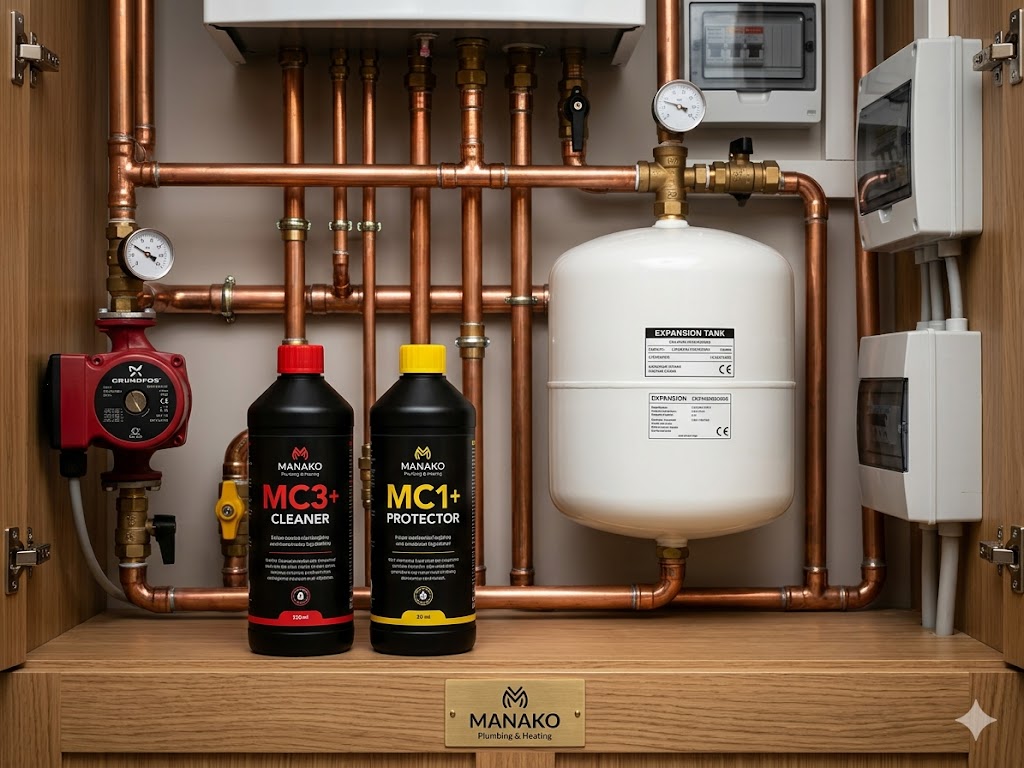
Proper boiler installation and annual servicing go hand-in-hand — both affect how long the unit performs reliably.
What Does a Boiler Service Cost?
In Slough and Berkshire, a standard annual boiler service typically costs between £80 and £150, depending on the boiler type and company. Combi boilers are generally at the lower end of that range; system and heat-only boilers may take slightly longer to service and cost a little more.
That cost is worth framing against the alternatives:
- An emergency boiler call-out in winter typically costs £150-£300 before any parts
- A heat exchanger replacement — which annual servicing helps prevent — can cost £500-£900
- A new boiler installation ranges from £2,000 to £3,500
Annual servicing at £100-£150 per year is the lowest-cost way to protect those larger sums.
Some boiler manufacturers offer service plans that bundle annual servicing with breakdown cover. If your boiler is relatively new and still under manufacturer warranty, it is worth checking whether the manufacturer offers this directly — the servicing required to maintain the warranty can sometimes be included.
What Happens If You Skip a Service?
Skipping one service does not necessarily cause immediate problems. But the risks compound over time.
Warranty void
Most boiler manufacturers require annual servicing as a condition of the warranty. Miss a year and you may have no manufacturer support for repairs — meaning you pay full cost for parts and labour on faults that would otherwise have been covered.
Developing faults go undetected
A boiler that has not been serviced does not develop problems all at once. It deteriorates gradually. A seal that was beginning to fail in September might hold through winter — but fail completely in February, at the worst possible time.
Carbon monoxide risk increases
Incomplete combustion — the primary source of carbon monoxide in domestic properties — is one of the things the flue gas analyser checks for. Without annual servicing, this risk goes unmeasured. Carbon monoxide is odourless and can build to dangerous concentrations without any visible sign.
Efficiency drops, bills rise
Deposits on the heat exchanger and a poorly calibrated air-to-gas ratio both reduce efficiency. A boiler running at 85% efficiency instead of 92% is not a small difference across a full heating season — it shows up in your energy bills every month.
What a Missed Service Costs You Over Time
- Manufacturer warranty potentially void after first missed service
- Efficiency loss of 5-10% per year without cleaning and calibration
- Higher probability of mid-winter emergency call-out
- Developing faults (seals, electrodes, heat exchanger) go undetected
- Carbon monoxide risk unmeasured and unmanaged
- Property sale complications — buyers and solicitors increasingly ask for service history
Does Boiler Type Affect How Often to Service?
All gas boilers — combi, system, and regular (heat-only) — should be serviced annually. The frequency does not change based on type.
What does vary is the scope of the service. A system boiler with a separate cylinder and expansion vessel takes slightly longer to check than a straightforward combi. A regular boiler with a feed-and-expansion tank in the loft adds another component for the engineer to inspect. Your engineer will know what is involved when they see your system.
Oil boilers follow a similar annual schedule, though the specific checks differ (no gas combustion analysis; instead, the oil burner, nozzle, and filter are cleaned and replaced). If you have an oil boiler, ensure your engineer is qualified for oil-fired appliances as well as gas — these are separate registrations.
New Boiler — Does It Still Need an Annual Service?
Yes. A new boiler typically needs its first service within 12 months of installation, and every 12 months after that. The manufacturer warranty depends on it.
New boilers are unlikely to have developing faults in the first year. But the service still matters: the combustion analysis checks that the boiler was set up correctly at installation, and the engineer can confirm nothing has shifted in the first heating season.
If your boiler was installed by a reputable company, the first service should be straightforward and quick. Think of it as a year-one health check rather than a repair visit.
Related Services
Frequently Asked Questions
How often should I service my boiler?
Once a year. Annual servicing is required to keep manufacturer warranties valid, maintain safe operation, and catch developing faults before they become expensive repairs. Most engineers recommend late summer as the best time to book.
What happens if you don't service your boiler?
Skipping services increases the risk of unexpected breakdowns, voided manufacturer warranties, reduced efficiency, and — in the worst case — undetected carbon monoxide issues. Small faults that would have been caught early can become major repairs if left unmaintained.
How long does a boiler service take?
A standard annual service takes 45 to 60 minutes for most combi boilers. System boilers with additional components may take slightly longer. If the engineer finds a minor issue to address during the visit, they will let you know before carrying out any extra work.
How much does a boiler service cost in Slough?
Typically between £80 and £150 for a standard annual service in Slough and Berkshire. Get a fixed quote before booking to avoid any surprises. At Manako, we provide a fixed price before we start — no hidden charges.
Can I service my boiler myself?
No. Gas boiler servicing must be carried out by a Gas Safe registered engineer by law. Working on gas appliances without the correct registration is illegal and dangerous. Always ask to see a Gas Safe ID card before work begins.
Does a boiler service include a flue check?
Yes. Checking the flue is a standard part of every annual service. The engineer verifies that combustion gases are safely expelled and that the flue terminal is intact and unobstructed. This is one of the most important safety checks in the service.
Book your annual boiler service in Slough
Gas Safe certified. Fixed price. Available across Slough and Berkshire — book before winter.
Get a Fixed Quote