
A burst pipe can flood a room in minutes. What you do in the first few minutes determines whether you end up with a manageable repair or thousands of pounds of structural damage.
Most people know to call a plumber. But the call alone is not enough — there are things you should do immediately while you wait for the engineer to arrive. These four steps can make a significant difference to the outcome.
If water is near electrical fittings, switch off the electricity first.
Before you do anything else — if water is running near a socket, light fitting, or your consumer unit, turn off the electricity at the fuse board. Water and live electricity together is a serious hazard. Do not touch electrical switches with wet hands.
Step 1: Turn Off the Water at the Stopcock
This is the single most important thing you can do. The stopcock — sometimes called the stop valve — is the main shut-off for your water supply. Turning it off stops water flowing to the burst pipe and limits how much damage occurs.
Action 01
Find and Turn Off the Stopcock
In most UK homes, the internal stopcock is under the kitchen sink. If it is not there, check under the stairs, in a utility room, or near the front door. Turn it clockwise until it stops. The water supply to the whole property will cut off immediately.
If you cannot locate the internal stopcock, or if it is stuck and will not turn, there is an external stopcock in the pavement outside your property. This is operated with a long-handled stopcock key (sometimes called a buffalo box key), which you can buy for a few pounds from a hardware shop. If you do not have one, call your water supplier — they can send someone out to turn it off from the street.
Once the water is off, open the cold taps around the property to drain down what is already in the pipes. This reduces the pressure on the burst section and gets the water out of the system faster.
Most people only look for the stopcock when there is already a problem. Spend two minutes now locating it so you know exactly where it is. It could save you hours of water damage later.
Step 2: Drain the System and Catch What You Can
With the stopcock off, there is still water in the pipes — gravity will bring it down. The goal now is to get it out in a controlled way rather than letting it leak from the burst.
Action 02
Open Taps and Collect Water
Turn on all cold taps to drain the pipework. If you have a hot water cylinder, turn off the boiler and immersion heater — then open the hot taps too. Place buckets, bowls, or towels under the burst pipe to catch what is coming out. If the burst is in the ceiling, create a channel with a towel to direct the drip into a bucket rather than letting it spread across the floor.
If you have a cold water storage tank in the loft (common in older UK properties), that tank will continue to feed water into the system even after the mains stopcock is off. To stop this, you need to tie off or jam the ball valve in the tank — or, if the tank has its own shut-off valve, turn that off too.
Modern properties with a combi boiler do not have a storage tank, so turning off the mains stopcock is sufficient.
Step 3: Call an Emergency Plumber
A burst pipe is not a job for DIY or for waiting until morning. Call an emergency plumber immediately. The sooner a qualified engineer can inspect and repair the pipe, the less secondary damage occurs — and the faster your water supply is restored.
Action 03
Get an Emergency Plumber on the Way
When you call, give them your address, describe where the burst is (or what you can see), and tell them whether the water is still running or you have managed to stop it. A good emergency plumber will give you an honest ETA and talk you through anything else to do while you wait.
Be cautious of companies that quote very high call-out fees upfront without giving you a clear breakdown. Most reputable local plumbers will give you a fixed quote before starting work. You should not be hit with a surprise bill after the fact.
If you are in Slough or Berkshire, Manako Plumbing offers same-day emergency response. We will give you a fixed price before we start — no hidden charges, no surprises.
What to tell the plumber when you call
Your location. Where the burst appears to be. Whether you have turned off the water. Whether there is any water near electrical fittings. How severe the leak is — a steady drip or active flooding.
Step 4: Document the Damage for Insurance
While you are waiting for the plumber and the immediate situation is under control, take photographs and video. Most home insurance policies cover burst pipe damage — but you will need evidence of the damage before any repairs or clean-up begin.
Action 04
Photograph Everything Before You Clean Up
Take photos of the burst pipe, the affected areas, standing water, damaged flooring, furniture, or possessions. Note the time the damage started. Keep any damaged items rather than throwing them away immediately — your insurer may want to assess them. Contact your home insurer as soon as possible to start the claims process.
If you have already cleaned up and the engineer has repaired the pipe, ask them to provide a written report of what they found and what work was done. This is useful evidence for the insurance claim.
What Causes a Burst Pipe?
Understanding the cause helps you prevent it happening again. The most common causes of burst pipes in UK homes are:
- Freezing temperatures: When water freezes inside a pipe, it expands and cracks the pipe. Uninsulated pipes in lofts, garages, and external walls are particularly vulnerable in cold weather.
- Corrosion: Older copper or steel pipes deteriorate over time. Corrosion weakens the pipe wall until it fails — often at a joint or elbow.
- High water pressure: Unusually high mains pressure can stress pipes and joints over time, eventually causing them to give way. A pressure regulator can be fitted if this is a recurring issue.
- Physical damage: Pipes accidentally drilled through, knocked, or disturbed during building work or renovation. Always check for pipes before drilling into walls or floors.
- Age and fatigue: Pipes installed decades ago may simply have reached the end of their serviceable life. A leak at one point in an old system is often a warning that other sections are also near failure.
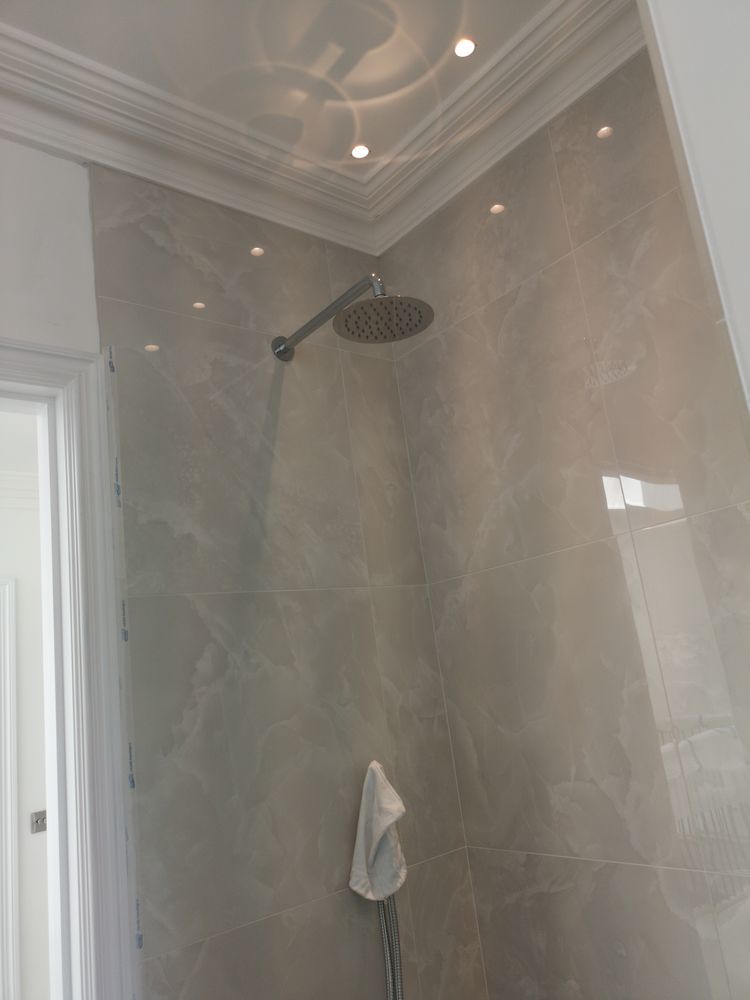
Emergency burst pipe repairs carried out by Manako Plumbing in Slough and Berkshire.
Preventing Burst Pipes
You cannot prevent all pipe failures, but you can significantly reduce the risk:
Insulate loft and external pipes
Pipe lagging is inexpensive and available from any hardware shop. Any pipe in an unheated space — loft, garage, under floorboards near an exterior wall — should be insulated before winter. Pay particular attention to the pipes near the cold water storage tank if your property has one.
Know where your stopcock is
Everyone in the household should know where the stopcock is and how to turn it off. If it has not been turned in years, give it a quarter turn to make sure it still works — seized stopcocks are common and can be replaced before they are needed in an emergency.
Keep the heating on in cold snaps
During very cold weather, do not turn the heating off completely overnight. A low background temperature — around 12-15°C — is usually enough to prevent pipes freezing. This is especially important in properties that are empty for extended periods.
Get a plumbing inspection if your property is older
If your home was built before the 1980s and the plumbing has never been updated, a survey from a qualified plumber can identify pipes that are at risk before they fail. It is a small cost against the alternative of emergency repairs and insurance claims.
Burst Pipe Emergency Checklist
- Switch off electricity if water is near electrical fittings
- Turn off the mains water at the stopcock (usually under the kitchen sink)
- Open cold taps to drain the system
- Turn off the boiler — then open hot taps to drain the hot water circuit
- Place towels and buckets to limit water spread
- Call an emergency plumber immediately
- Photograph all damage before cleaning up
- Contact your home insurer to start the claims process
How Much Does a Burst Pipe Repair Cost?
The cost of a burst pipe repair depends on where the pipe is, how much of it needs replacing, and what caused the failure. As a general guide:
- Simple pipe repair (accessible location): £150-£300
- Pipe repair requiring access works (under floorboards, behind a wall): £300-£600+
- Emergency call-out charge: Variable — always get a fixed quote before work begins
- Secondary damage (drying out, redecoration): Usually covered by home insurance if the leak was sudden and accidental
Get a written fixed quote before any work starts. A reputable plumber will tell you exactly what the job involves and what it will cost before they begin.
Related Services and Guides
Frequently Asked Questions
What causes a burst pipe?
The most common causes are freezing temperatures (water expands as it freezes, cracking the pipe), corrosion in older properties, high water pressure, physical damage during building work, and faulty joints. In UK homes, an uninsulated pipe in a loft or garage during a cold snap is the most frequent culprit.
How do I find my stopcock?
In most UK homes, the internal stopcock is under the kitchen sink. If it is not there, check under the stairs, in a utility room, or near the front door. If you cannot find it, the external stopcock is in the pavement outside your property — your water supplier can turn this off if needed.
Should I turn off my electricity if a pipe has burst?
Yes — if water is running near electrical fittings, sockets, or your fuse board, switch off the electricity at the consumer unit immediately. Do not touch electrical switches or sockets with wet hands. Water and electricity together is a serious safety risk.
Will home insurance cover a burst pipe?
Most home insurance policies cover sudden and accidental water damage from burst pipes. Photograph all damage before cleaning up and contact your insurer as soon as possible. Gradual leaks that have been ignored over time are sometimes excluded, so acting quickly and having an engineer confirm the cause is important.
How long will a burst pipe repair take?
A straightforward repair on an accessible pipe can be completed in one to two hours. If the pipe is under floorboards or behind a wall, access work is required, which adds time. The engineer will give you a realistic timescale before starting work.
Can I temporarily fix a burst pipe myself?
Temporary pipe repair tape and pipe clamp kits are available from hardware shops and can buy you a short amount of time — but they are not a reliable long-term fix. A permanent repair carried out by a qualified plumber is always the right outcome. Use temporary measures only to slow things down while you wait for the engineer.
Burst pipe in Slough or Berkshire?
Call Manako Plumbing for same-day emergency response. Fixed price before we start. Gas Safe certified.
Emergency Plumbing